Osteora
In the realm of orthopedic surgery, Femoral Intramedullary Nails play a crucial role in providing stability and support for fractured femurs. Their design allows for precise alignment and effective load transfer, making them a preferred choice among surgeons worldwide. Patients often benefit from reduced recovery times and improved mobility post-surgery. However, with multiple options available, choosing the right femoral nail can be challenging.
When selecting femoral intramedullary nails, factors such as material quality, biomechanical performance, and patient-specific needs must be considered. Some nails may excel in specific scenarios but prove inadequate in others. This inconsistency raises questions about the best choice for diverse patient demographics. Clinicians must evaluate both the advantages and limitations of each product.
In this article, we will explore the top five femoral intramedullary nails on the market. Each option will be examined for its unique features and potential drawbacks. By providing a comprehensive overview, we aim to assist healthcare professionals in making informed decisions to improve patient outcomes.
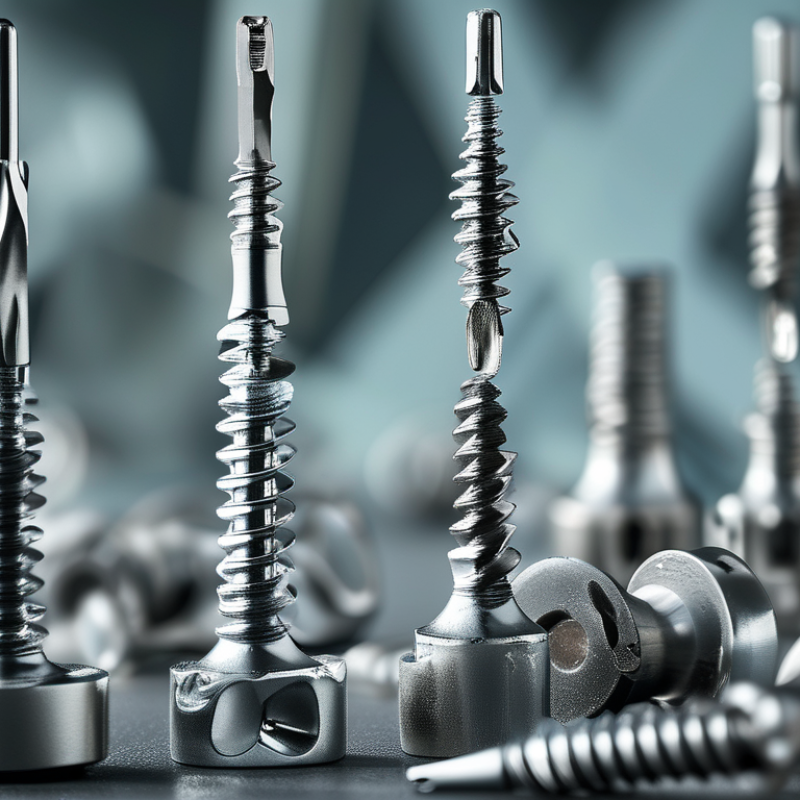
Intramedullary nailing is a common orthopedic procedure for femoral fractures. This technique involves inserting a nail into the medullary cavity of the femur. The goal is to stabilize the bone while allowing for early mobilization. According to a report by Grand View Research, the global intramedullary nail market is expected to reach USD 1.58 billion by 2025, indicating growing demand.
Several types of femoral intramedullary nails exist. Antegrade nails are commonly used for simple femur fractures. They offer strong fixation, but the insertion technique requires care. Retrograde nails, on the other hand, are suited for more complex cases. They allow for better access to the fracture site but may pose challenges in alignment. Specialized nails, such as those with locking mechanisms, add stability. This can be beneficial for patients with compromised bone quality.
Surgeons often face challenges with the positioning and alignment of the nails. Misalignment can lead to complications, necessitating further surgical intervention. Research shows that approximately 10-20% of femoral nail procedures result in complications. Learning from these challenges can improve surgical techniques and patient outcomes over time.
When selecting femoral intramedullary nails, several key features are crucial. A primary consideration is the nail's material and design. Most nails are made from titanium alloys or stainless steel. These materials contribute to both strength and flexibility, critical for load-bearing situations. A study published in the Journal of Orthopaedic Surgery states that titanium alloys can withstand higher stresses compared to traditional materials.
Another important factor is the diameter of the nail. Nail diameter can significantly impact the stability of the fixation. Opting for a narrower nail may lead to instability, especially in cases of complex fractures. Research indicates that a diameter increase of just 1 mm can enhance the load-sharing capability by up to 30%. This is vital for patients requiring early mobilization.
The locking mechanism also deserves attention. Advanced locking mechanisms can improve rotational stability, reducing the risk of malalignment. A survey in the International Orthopaedics journal suggests that over 25% of complications stem from inadequate locking. Understanding these features helps ensure a more reliable selection process and better outcomes for patients.
The global demand for intramedullary fixation devices continues to rise. Industry reports indicate a compound annual growth rate (CAGR) of 6.8% from 2021 to 2028. This growth reflects an increasing prevalence of orthopedic surgeries and trauma cases. In 2022 alone, significant sales growth was recorded across several regions.
Despite this positive trajectory, challenges remain. Many healthcare professionals express concerns over the complexity of surgical procedures. The learning curve can be steep for new surgeons. Additionally, the market faces supply chain disruptions, which can impact availability. Reports suggest that addressing these issues is essential for sustainable growth.
Moreover, the market for femoral intramedullary nails specifically has shown remarkable potential. Surgeons increasingly favor these nails due to their minimal invasive nature. They provide effective stabilization for fractures. However, proper training and experience are critical for optimizing outcomes. Continuous education in modern techniques is necessary for ongoing advancements in this field.
This bar chart illustrates the market demand for the top 5 femoral intramedullary nails. The data showcases the number of units sold, indicating the varying popularity and sales performance of each product in the market.
When considering femoral intramedullary nails, different outcomes arise from various designs. Studies highlight that the choice of nail impacts healing time and complication rates. Surgeons must evaluate patient profiles to select the best fit. Even the best nails may not guarantee optimal results for everyone.
Patient recovery can differ significantly. Some may experience faster healing with specific nail types, while others might face challenges. Factors like age, bone quality, and fracture type play critical roles. Surgeons should stay current with findings to guide their decisions. Relying solely on popular choices may not always yield the best outcomes. Each patient's situation requires personalized assessment.
As improvements in nail technology evolve, so do patient experiences. Tracking long-term data helps identify trends in recovery. However, reflecting on past cases can reveal shortcomings in approaches. Not every nail suits every fracture. Ongoing education is crucial for healthcare professionals. Developing a deeper understanding will ultimately lead to better patient care.
Budgeting for femoral intramedullary nails is crucial for hospitals and clinics. Understanding costs can help in making informed purchasing decisions. Prices vary significantly based on materials and technology used. Stainless steel options are typically more affordable, while titanium provides better strength but at a higher price.
Healthcare providers often face budget constraints. It's vital to analyze the total cost, including surgical instruments and disposables. Depending on the region, costs may also involve shipping and import duties. This aspect can greatly impact the final expenses.
While investing in quality nails is important, lower costs may sometimes lead to compromise in safety or effectiveness. Choosing the right balance between cost and quality is challenging. It's an ongoing discussion among professionals in the field, as they navigate the complexities of budgets versus patient care outcomes. There’s no one-size-fits-all solution. Further reflection on purchasing practices is essential for better financial planning.
: Intramedullary nailing stabilizes femoral fractures. It allows early mobilization for improved recovery.
There are antegrade nails, retrograde nails, and specialized nails with locking mechanisms. Each has unique applications.
Surgeons often struggle with nail positioning and alignment, which can lead to complications.
Research indicates complications occur in about 10-20% of femoral nail procedures. These can require further intervention.
Yes, different nails impact healing time and complication rates. Choices must align with patient profiles.
Factors like age and bone quality affect recovery. Tailoring the approach can enhance outcomes for individual patients.
Reflecting on complications and past cases can guide better surgical practices. Continuous education is vital for advancement.
Not necessarily. Relying on popular nails may overlook patient-specific needs and lead to suboptimal results.
Advances in nail technology evolve patient experiences and outcomes. Tracking data reveals important recovery trends.
Reviewing past failures can highlight shortcomings. Learning from mistakes is crucial for future patient care improvement.
This article provides a comprehensive overview of the top five femoral intramedullary nails, highlighting their various types and applications in orthopedic surgery. It emphasizes the essential features to consider when selecting femoral intramedullary nails, such as material, design, and compatibility with different patient anatomies. Additionally, the article discusses current market trends, noting the growing demand for intramedullary fixation devices driven by advancements in surgical techniques and an increase in trauma cases.
Furthermore, a comparison of patient outcomes associated with different femoral intramedullary nails is presented, demonstrating variations in recovery times and complication rates. Lastly, the article includes a cost analysis, guiding healthcare providers in budgeting for femoral intramedullary nail purchases while ensuring optimal quality and patient care. Overall, this piece serves as a valuable resource for healthcare professionals seeking insights into femoral intramedullary nails and their impact on patient treatment outcomes.
